
Changing Landscapes Can Make Property Lines Less Obvious, Which Is Where Boundary Surveying Helps
Most people assume they know where their property ends. They may look at a fence, a line of bushes, or the edge of a driveway and believe those features mark the boundary. The problem is that the landscape changes over time. Trees grow, fences get replaced, and old markers become buried or disappear. As a result, what seems like a clear property line may not match the legal boundary.
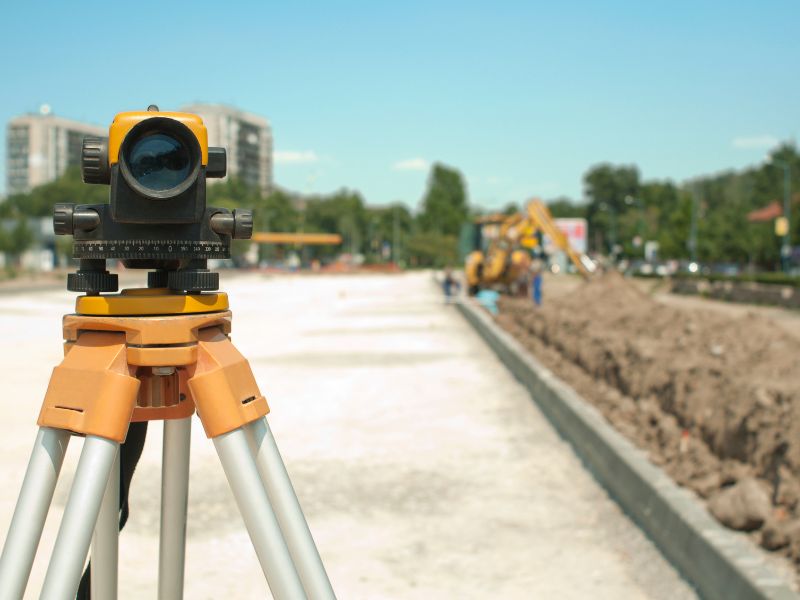
This is where boundary surveying becomes important. A professional survey provides accurate measurements and helps prevent disagreements before they become costly problems.
Features That Once Marked a Property May Be Gone Today
Many older deeds describe boundaries using landmarks that existed decades ago. Stone walls, large trees, and hedges were often used to show where one property ended and another began. Over the years, those features may have been removed or destroyed.
Without those landmarks, property owners may rely on memory or assumptions. Unfortunately, those assumptions are not always correct. A row of trees or a patch of grass does not always match the legal property line. That is why old records and professional measurements are much more reliable than visual clues.
Changes Made by Previous Owners Can Create Confusion
Every owner leaves their mark on a property. One person may add a patio, while another builds a fence or plants a garden. Over time, these improvements can change the way the lot looks.
For example, a fence may have been installed several feet inside the actual boundary to avoid tree roots or other obstacles. Years later, neighbors may assume that the fence represents the true property line. This misunderstanding can continue for years and eventually create problems during a sale or construction project.
Older Neighborhoods Often Present More Challenges
Property boundaries are usually easier to identify in newer subdivisions. Streets, utilities, and survey markers were placed more recently, and there has been less time for changes to occur.
Older neighborhoods are different. Homes have been remodeled, fences have been replaced, and landscaping has changed many times over the years. Some original survey markers may even be hidden underground.
Past neighbors may also have made informal agreements that were never recorded. What started as a friendly arrangement decades ago can create confusion for future owners. Because of this, properties in established neighborhoods often benefit from a boundary survey.
Seasonal Changes Can Hide Important Details
The appearance of a property changes throughout the year. Thick vegetation in the summer can hide survey markers. Snow during the winter may cover stone walls and other features. Fallen leaves in the fall can make it difficult to see changes in the ground.
These seasonal changes can make boundaries look different from one season to the next. Some common examples include:
- Winter snow covering property corners and markers.
- Spring growth hiding metal pins and old fences.
- Thick summer vegetation blocking important features.
- Fallen leaves making slopes and edges harder to see.
Because these conditions are temporary, professionals rely on measurements instead of appearance alone.
Boundary Surveying Provides Reliable Information
The landscape may change, but legal property descriptions do not. A boundary survey provides a clear and accurate picture of where the property lines are located. Surveyors use historical records, existing monuments, and modern equipment to determine the correct boundaries. This information helps buyers, homeowners, builders, and real estate professionals make informed decisions. A boundary survey removes uncertainty and helps prevent future disputes. Knowing exactly where your property begins and ends can save time, money, and frustration.
Frequently Asked Questions
Why do property lines become harder to recognize over time?
Natural growth, weather, and changes made by previous owners can alter the appearance of a property. Features that once marked boundaries may no longer exist.
Are fences and trees reliable boundary markers?
Not always. Fences and landscaping do not necessarily match the legal property lines. Only a survey can confirm the exact boundaries.
Why are older neighborhoods more challenging?
Older neighborhoods have gone through decades of changes. Replaced fences, mature trees, and past agreements between neighbors can make boundaries less obvious.
Can the seasons affect how property lines appear?
Yes. Snow, vegetation, and fallen leaves can hide important features and make property boundaries look different throughout the year.
Who benefits from a boundary survey?
Homeowners, buyers, builders, real estate professionals, and property managers all benefit from knowing the exact location of property lines. Accurate information helps avoid disputes and protects property rights.